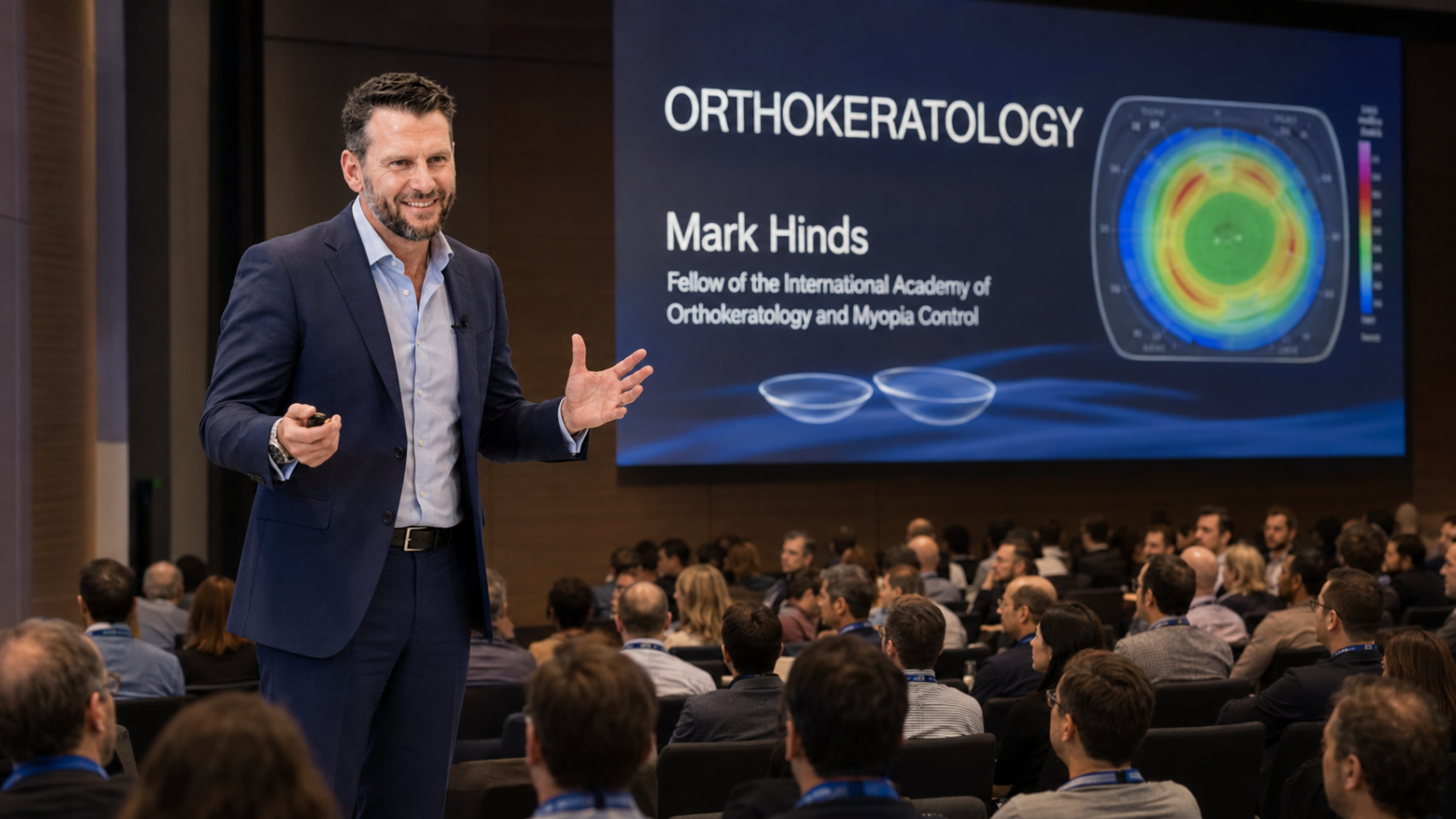
The 10 Biggest Mistakes in Orthokeratology Fitting and Patient Management Orthokeratology works—and, with appropriate patient selection, fitting, education and follow-up, it has a reassuring safety profile. Many disappointing outcomes and serious complications can nevertheless be traced to preventable clinical or patient-management errors. This downloadable clinical handout summarises ten of the most important mistakes encountered in… Continue reading The 10 Biggest Mistakes in Orthokeratology Fitting and Patient Management
The 10 Biggest Mistakes in Orthokeratology Fitting and Patient Management
Tag: Corneal Topography
How Do We Fit Complex Corneas Successfully?
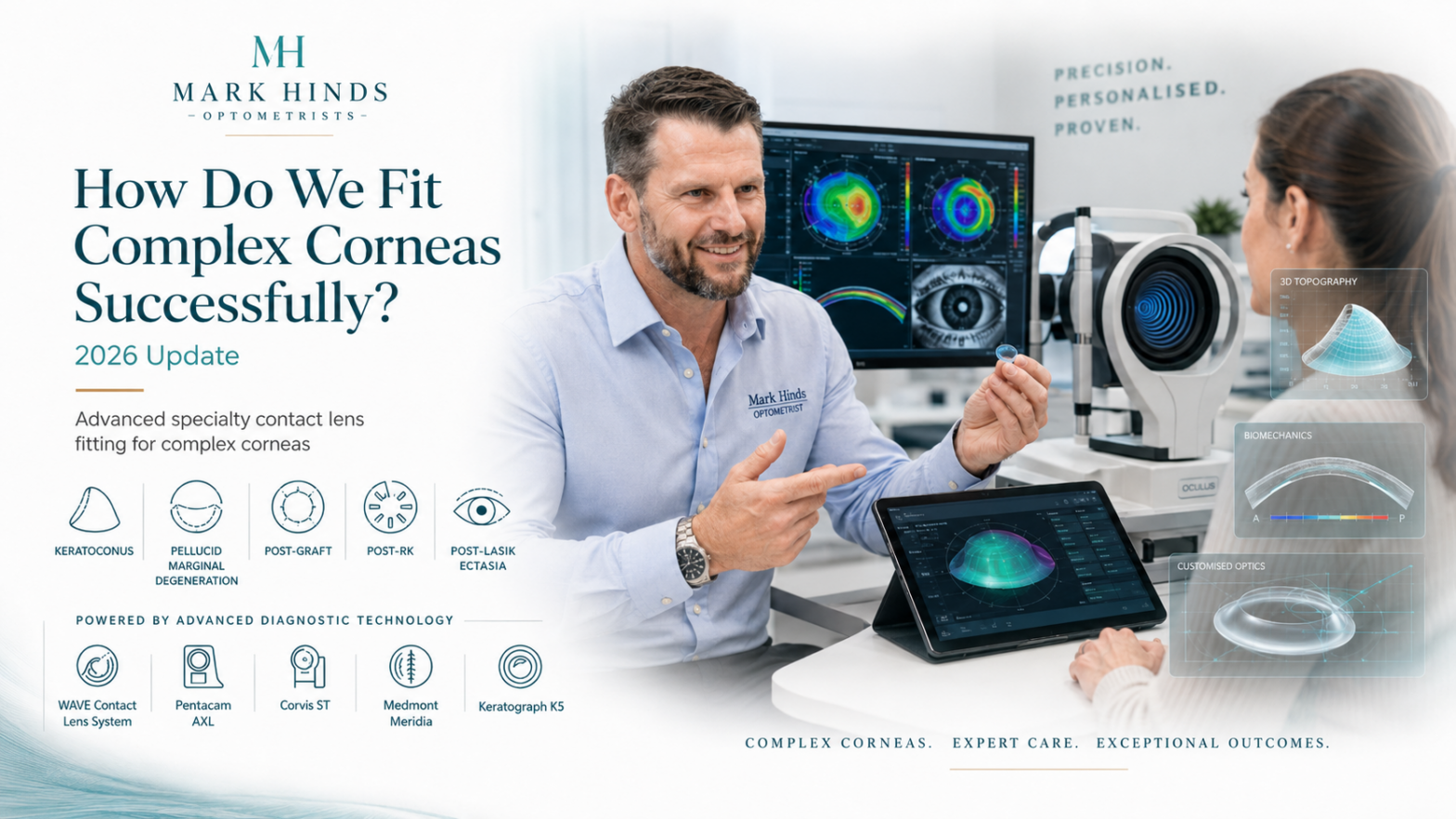
After fitting thousands of eyes with complex contact lenses, we continue to lead the way in 2026. What began years ago with free-form 3D contact lens design has grown into one of the most comprehensively equipped specialty contact lens practices in the country. The result is simple: even the most difficult corneas — keratoconus, pellucid… Continue reading How Do We Fit Complex Corneas Successfully?
Orthokeratology: Latest Thinking in Myopia Control
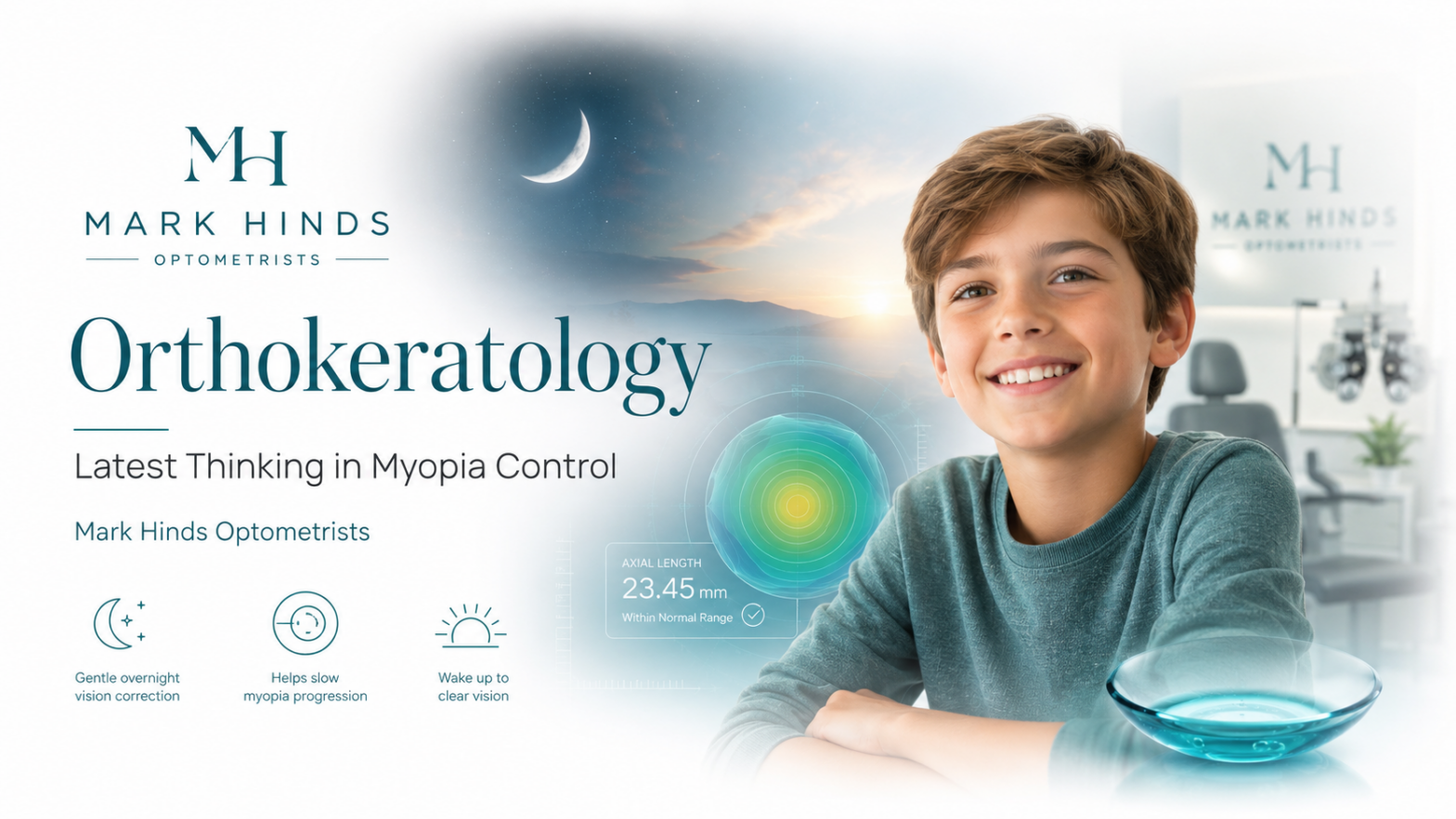
Orthokeratology, often called Ortho-K, is one of the most established contact lens options for childhood myopia control. The lenses are worn overnight and gently reshape the front surface of the eye while sleeping. In the morning, the lenses are removed and most patients can see clearly throughout the day without glasses or daytime contact lenses.… Continue reading Orthokeratology: Latest Thinking in Myopia Control
Corneal Neovascularisation and Scleral Contact Lenses: Why Oxygen Matters
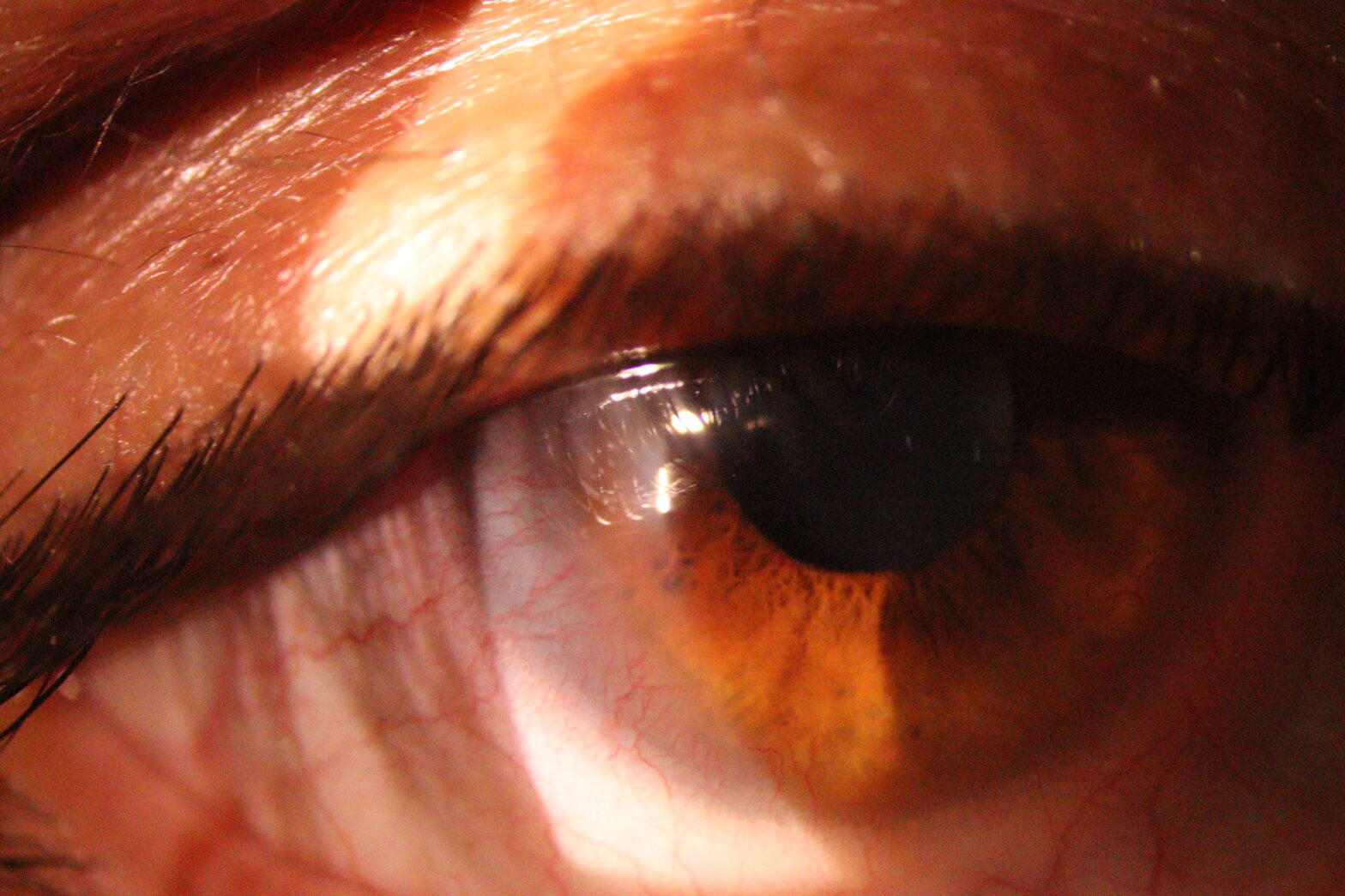
Right eye of a patient showing significant corneal neovascularisation. Left eye of the same patient, without comparable corneal neovascularisation. Corneal neovascularisation refers to the growth of new blood vessels into the cornea. The cornea is normally clear and largely avascular, which is one of the reasons it can transmit light so effectively. When blood vessels… Continue reading Corneal Neovascularisation and Scleral Contact Lenses: Why Oxygen Matters