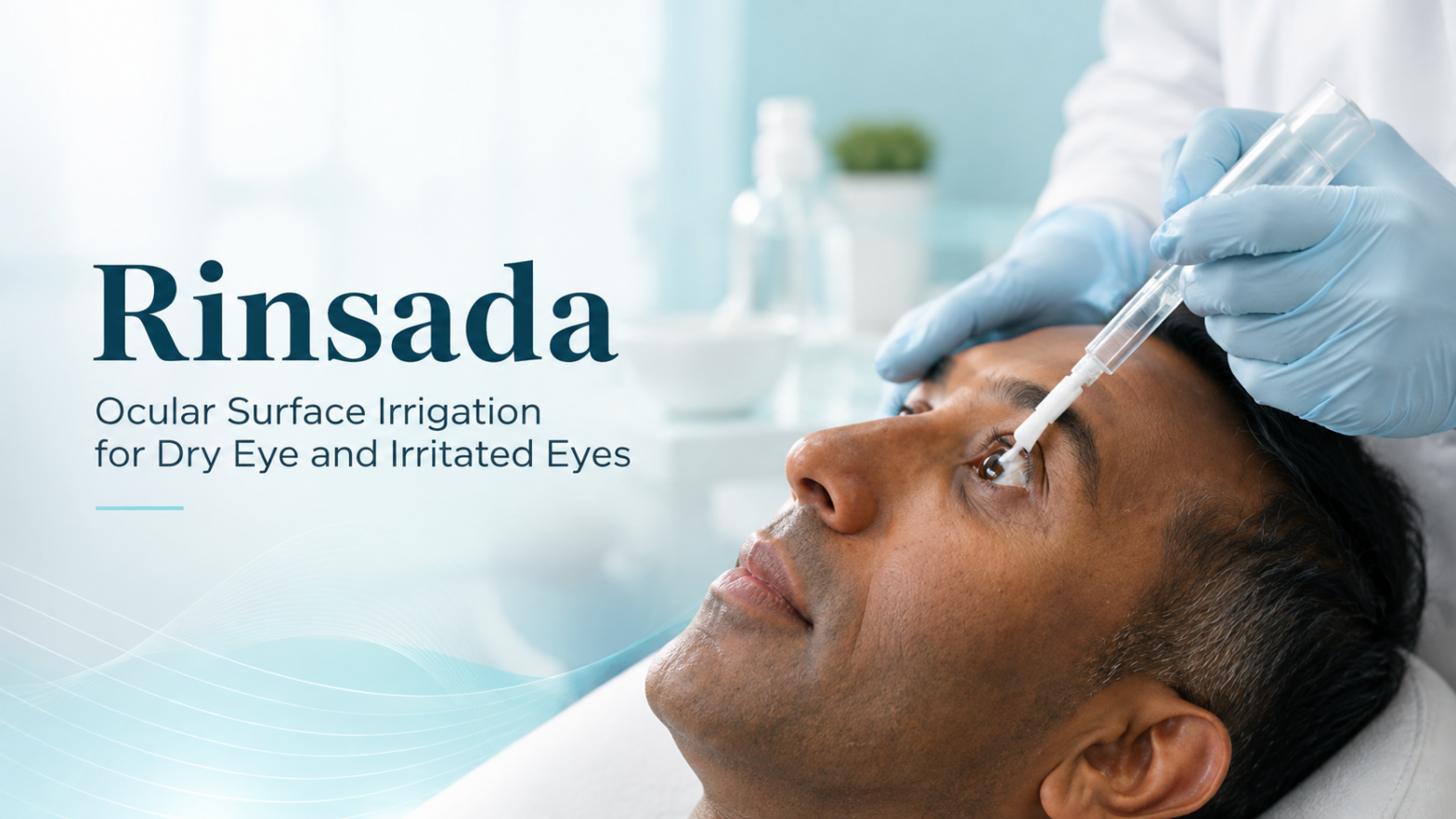
Rinsada at Mark Hinds Optometrists Do your eyes still feel gritty, irritated or inflamed despite using artificial tears and other dry-eye treatments? Do they feel as though something is trapped beneath your eyelids, or does your comfort improve temporarily after rinsing or using lubricating drops? Sometimes treating the eyelid margins and adding more eye drops… Continue reading Rinsada Ocular Surface Irrigation for Dry Eye and Irritated Eyes
Rinsada Ocular Surface Irrigation for Dry Eye and Irritated Eyes
Category: Uncategorized
ZEST Eyelid Treatment for Blepharitis, Demodex and Dry Eye
Do your eyelids feel gritty, itchy, inflamed or constantly uncomfortable? Do you wake with crusting around your lashes, experience burning or watery eyes, or find that your vision fluctuates throughout the day? The problem may not begin with the eye itself. It may begin along the eyelid margin. Blepharitis, excessive eyelid biofilm and Demodex-related lid… Continue reading ZEST Eyelid Treatment for Blepharitis, Demodex and Dry Eye
When “Normal” Topography Isn’t Normal: Why Early Keratoconus Demands Tomography and Biomechanics
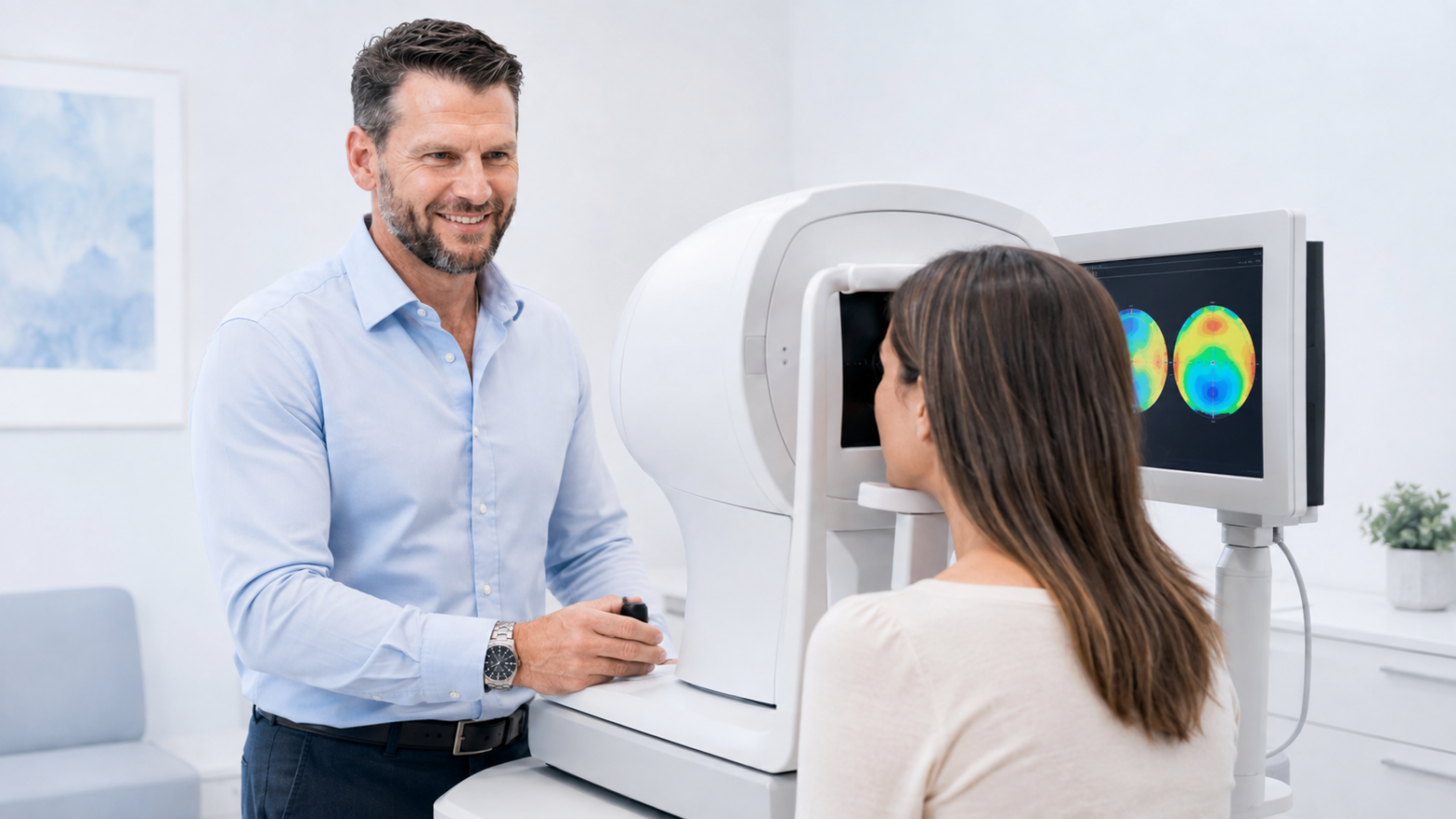
Early keratoconus is difficult to detect for a simple reason: the first meaningful abnormalities may develop where conventional anterior corneal topography is least able to see them. A patient can still achieve good visual acuity. Their refraction may appear stable. The anterior curvature map may look reassuringly regular. Yet beneath that apparently normal front surface,… Continue reading When “Normal” Topography Isn’t Normal: Why Early Keratoconus Demands Tomography and Biomechanics
The 10 Biggest Mistakes in Orthokeratology Fitting and Patient Management
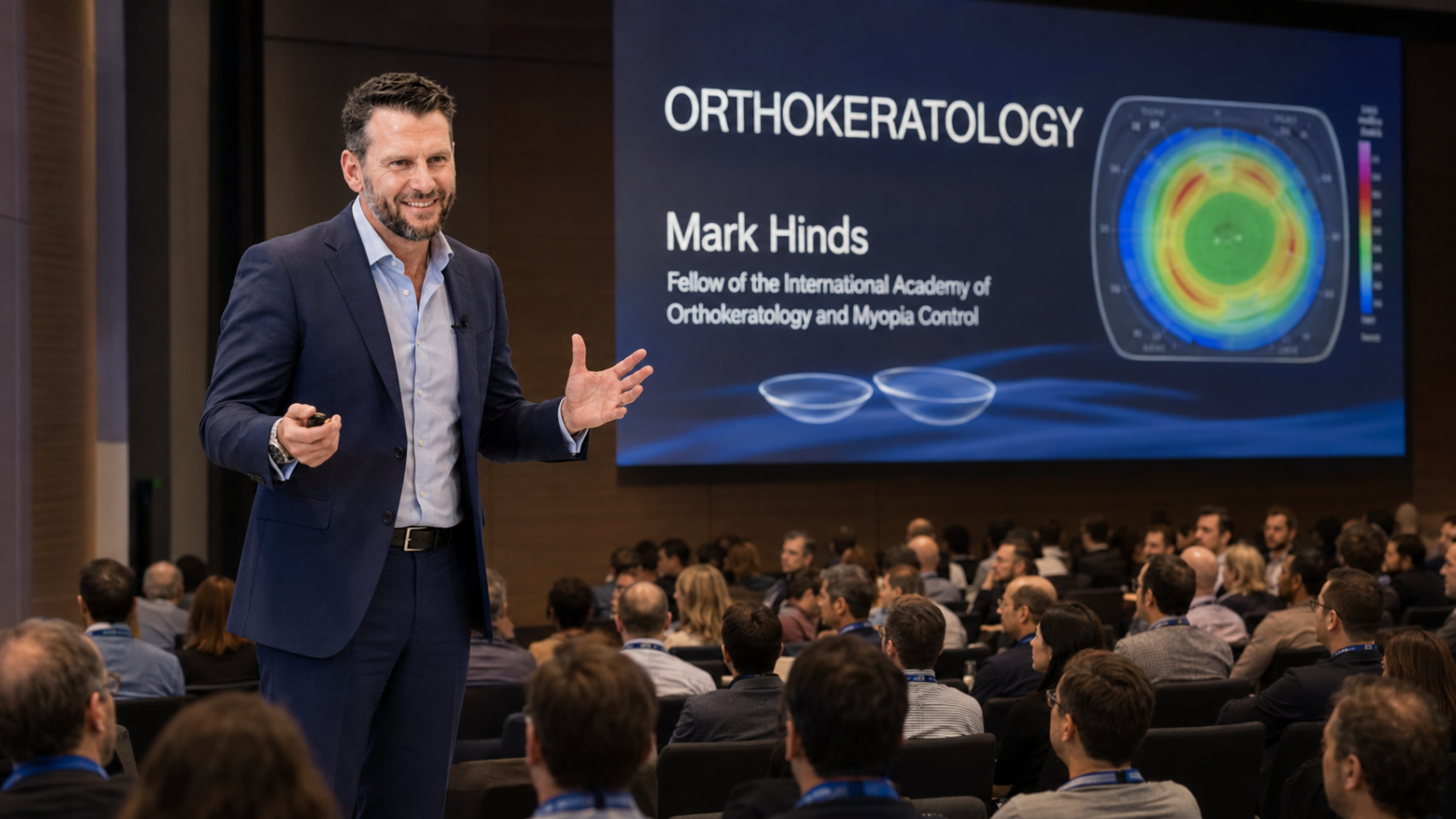
The 10 Biggest Mistakes in Orthokeratology Fitting and Patient Management Orthokeratology works—and, with appropriate patient selection, fitting, education and follow-up, it has a reassuring safety profile. Many disappointing outcomes and serious complications can nevertheless be traced to preventable clinical or patient-management errors. This downloadable clinical handout summarises ten of the most important mistakes encountered in… Continue reading The 10 Biggest Mistakes in Orthokeratology Fitting and Patient Management
How to Use Progent Part A & Part B
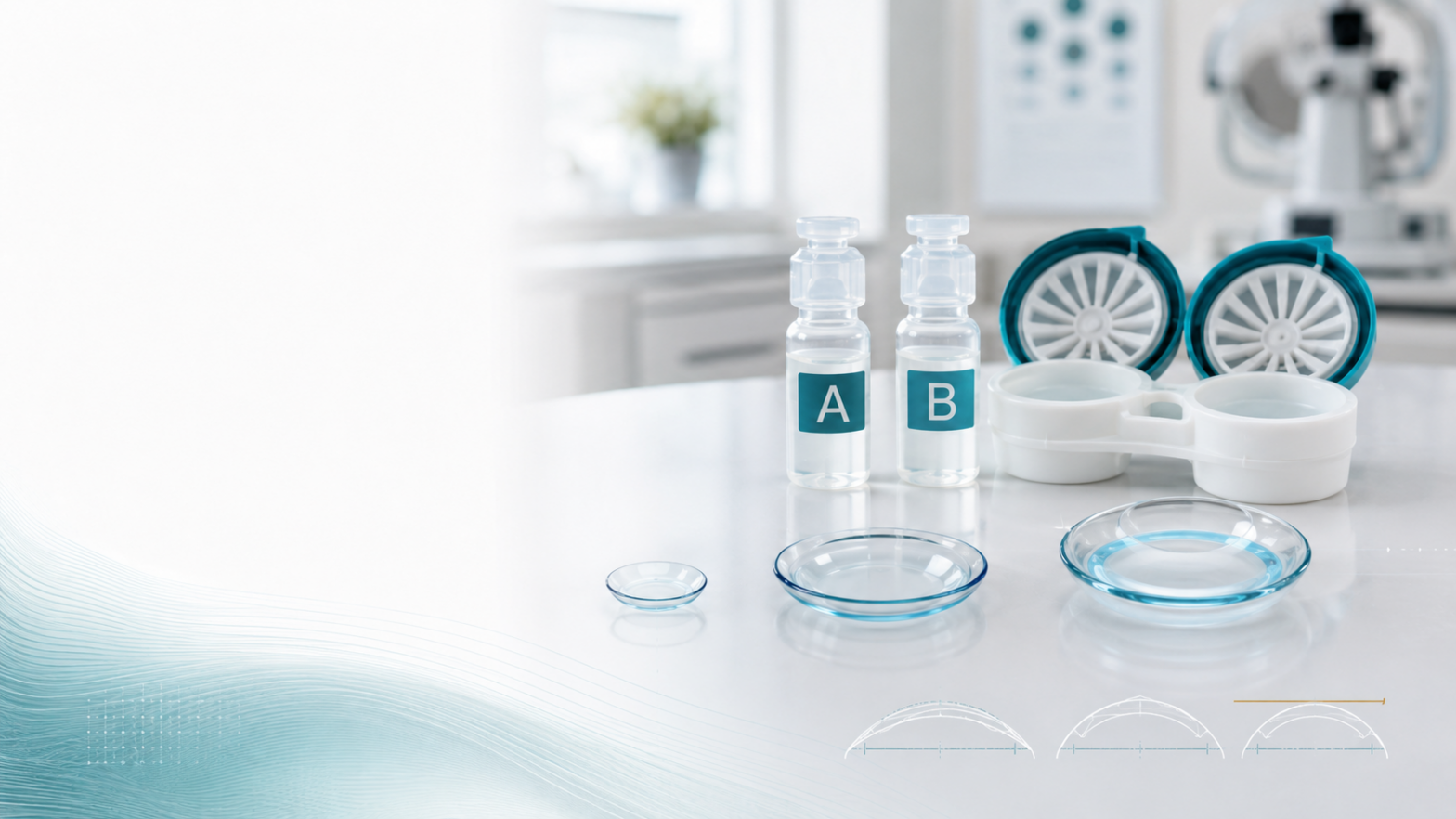
Patient lens-care guide Progent is an intensive cleaner for rigid gas-permeable lenses, including many RGP, orthokeratology (ortho-k) and scleral lenses. It helps remove stubborn protein and deposits that daily cleaning can leave behind. First, check your lens coating. Do not use Progent on Tangible Hydra-PEG–coated lenses unless your Mark Hinds optometrist has specifically confirmed it is… Continue reading How to Use Progent Part A & Part B
How Do We Fit Complex Corneas Successfully?

After fitting thousands of eyes with complex contact lenses, we continue to lead the way in 2026. What began years ago with free-form 3D contact lens design has grown into one of the most comprehensively equipped specialty contact lens practices in the country. The result is simple: even the most difficult corneas — keratoconus, pellucid… Continue reading How Do We Fit Complex Corneas Successfully?
The Latest in Myopia Control Soft Contact Lenses
Myopia (short-sightedness) is rising fast among Australian children, and the good news is that we can now do far more than simply update glasses each year. At Mark Hinds Optometrists, we use evidence-based treatments designed to slow how quickly myopia progresses, protecting your child’s long-term eye health. Soft contact lenses have become one of the… Continue reading The Latest in Myopia Control Soft Contact Lenses
Orthokeratology: Latest Thinking in Myopia Control
Orthokeratology, often called Ortho-K, is one of the most established contact lens options for childhood myopia control. The lenses are worn overnight and gently reshape the front surface of the eye while sleeping. In the morning, the lenses are removed and most patients can see clearly throughout the day without glasses or daytime contact lenses.… Continue reading Orthokeratology: Latest Thinking in Myopia Control
Advancing Care for Patients with Sjögren’s Related Dry Eye Disease
Our care and research: At Mark Hinds Optometrists and Ophthalmic Trials Australia, our team is committed to improving the lives of patients living with severe dry eye disease, ocular surface inflammation, and autoimmune-related eye disease through advanced clinical care, research, and innovation. One important area of focus is Sjögren’s related dry eye disease — a… Continue reading Advancing Care for Patients with Sjögren’s Related Dry Eye Disease
Photo of the Week – Keratoconus and Corneal Crosslinking
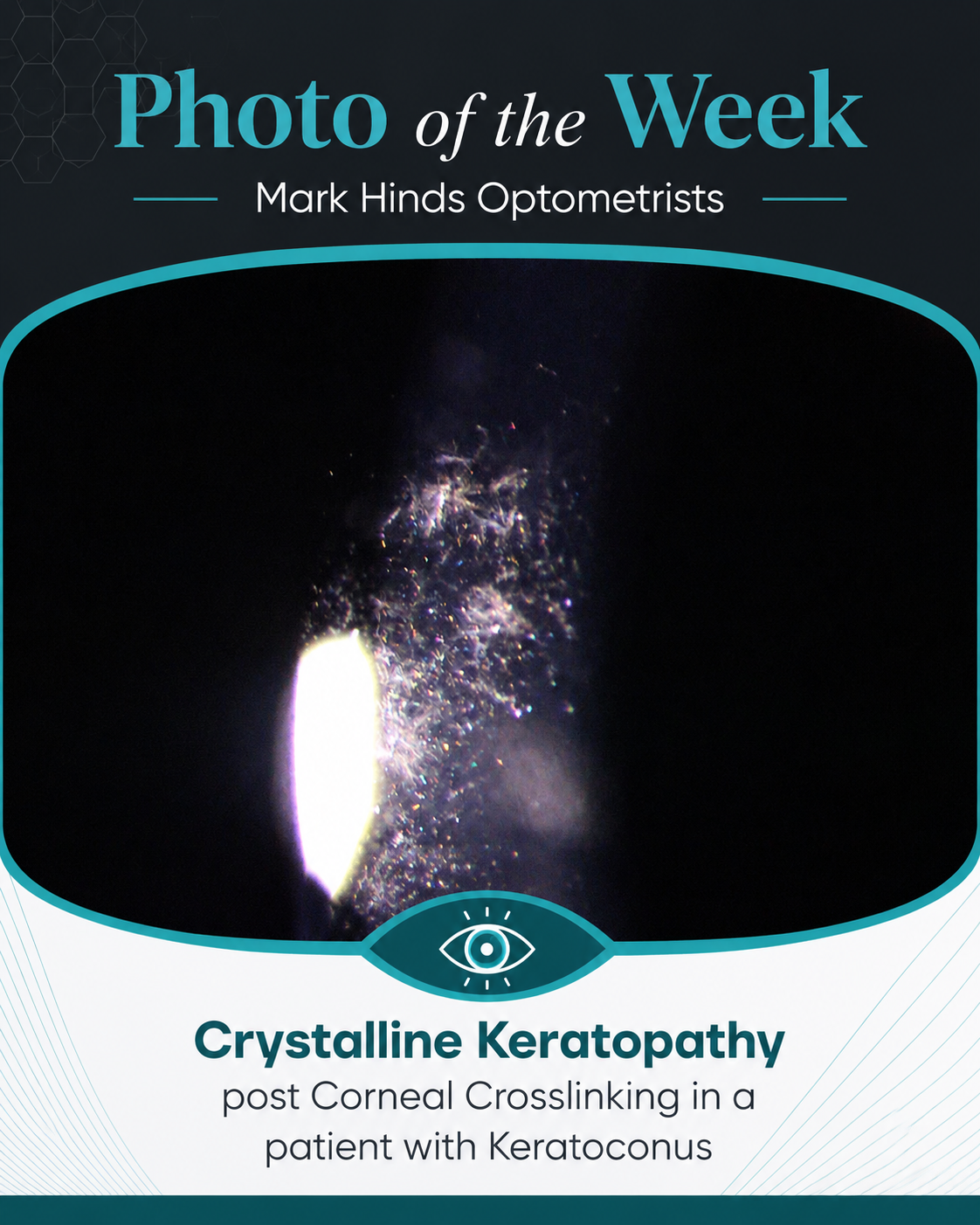
Crystalline keratopathy after corneal collagen crosslinking is not usually caused by the crosslinking reaction itself. It generally comes from one of two mechanisms: sterile drug precipitation or infectious crystalline keratopathy. In an epithelium-off CXL, the epithelial barrier is removed, the anterior stroma is exposed, and a bandage contact lens plus frequent drops are commonly used.… Continue reading Photo of the Week – Keratoconus and Corneal Crosslinking